
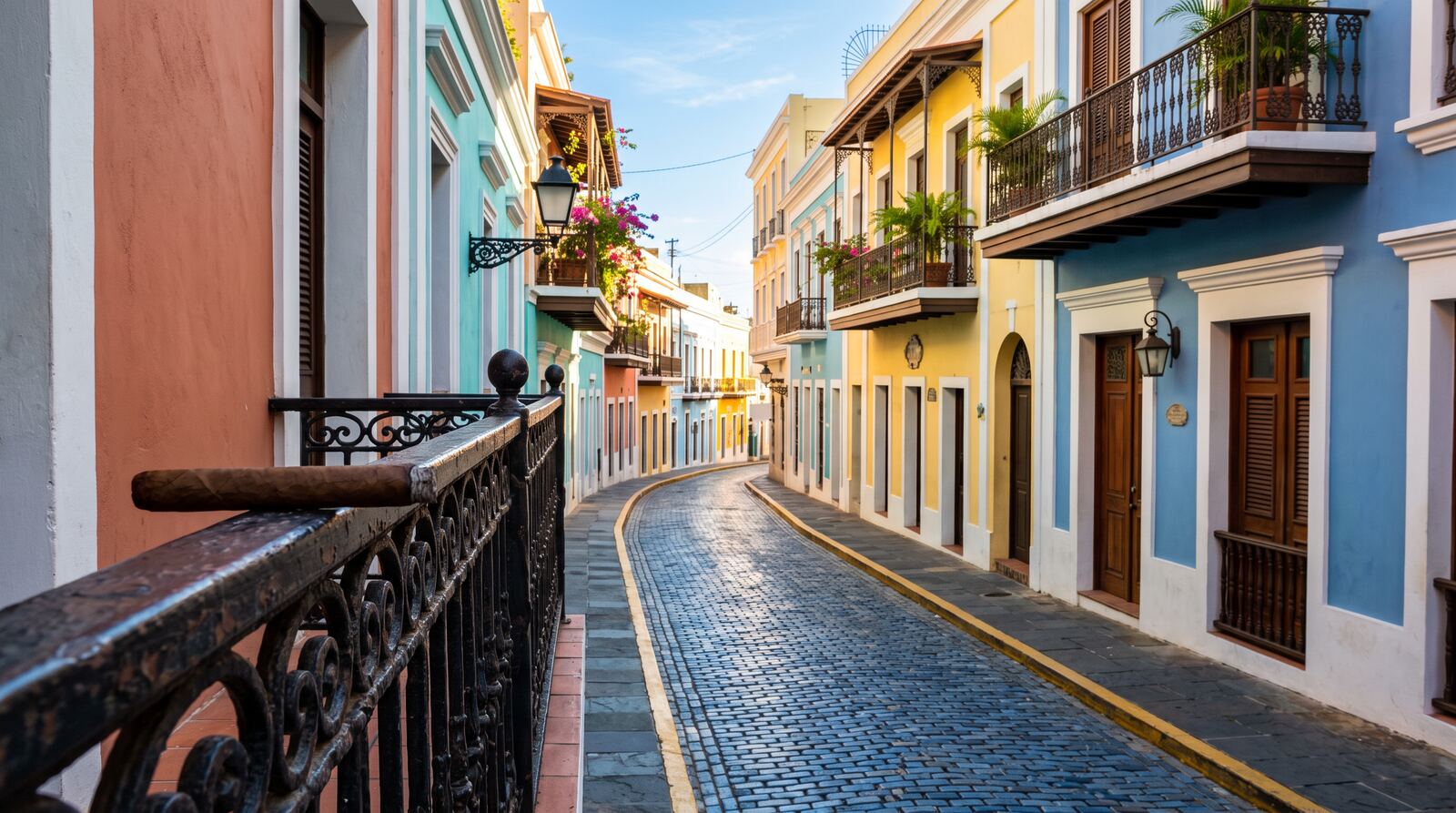
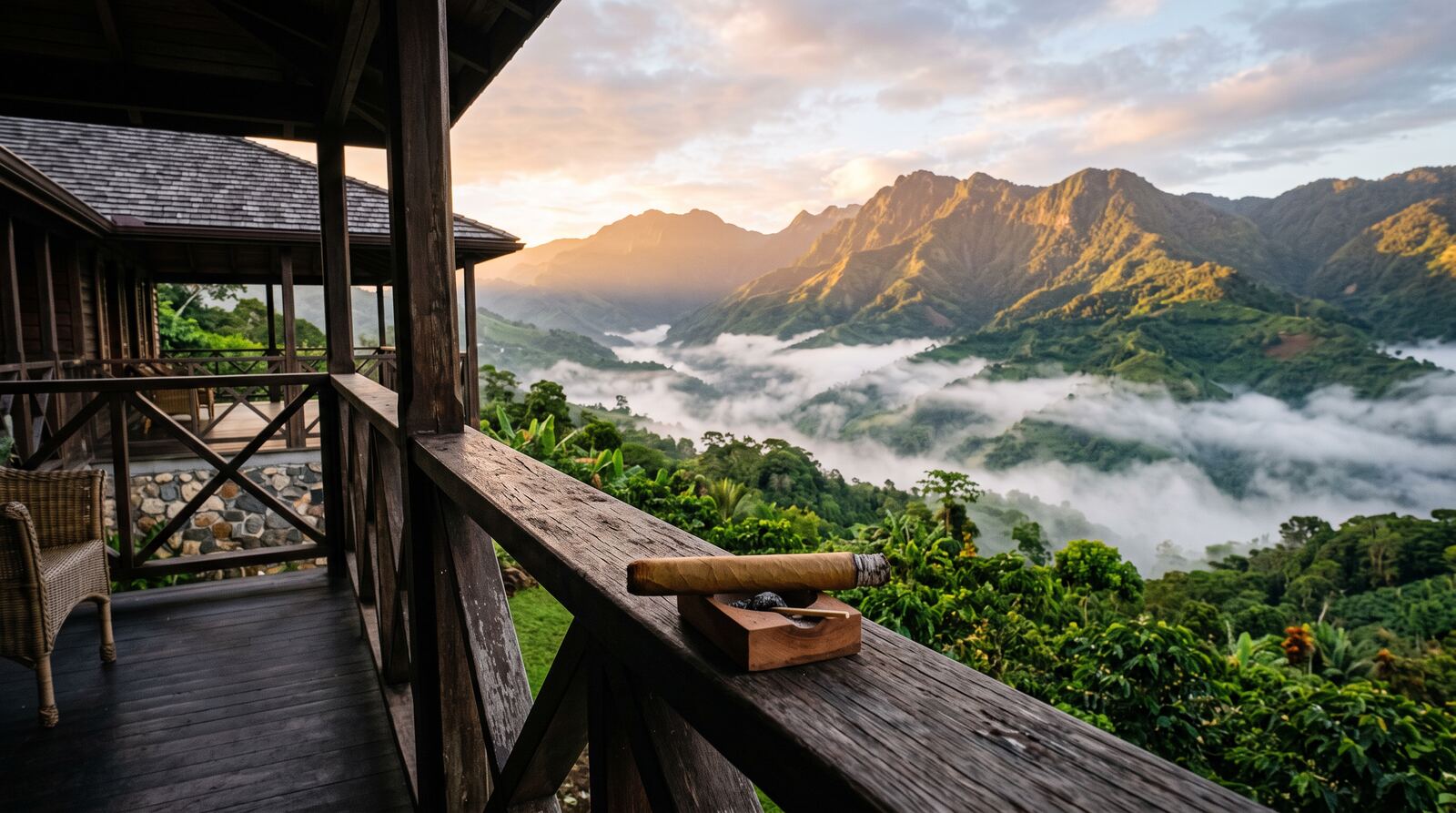
The cigar was born in the Caribbean. Taíno people were smoking rolled tobacco when Columbus arrived in 1492, and for five centuries the islands have grown some of the world's most prized leaf. Today two countries dominate: Cuba, home of the Habano, and the Dominican Republic, home of brands like Arturo Fuente. Puerto Rico and Jamaica once had thriving cigar industries of their own.
This is an independent, educational guide. We do not sell tobacco and are not affiliated with any grower, factory or retailer.
Caribbean Cigar Countries at a Glance
| Country | Role today | Known for |
|---|---|---|
| Cuba | Major producer (not legal to import into the U.S.) | Habanos: Cohiba, Montecristo, Partagás; Vuelta Abajo leaf |
| Dominican Republic | 2nd-largest source of U.S. premium cigars (93.7M in 2025) | Arturo Fuente, La Aurora, Davidoff; Cibao Valley |
| Puerto Rico | Historic producer; small today | Cayey and Caguas factories; early 1900s export boom |
| Jamaica | Historic producer; small today | Original home of Macanudo and Royal Jamaica |
| Bahamas and others | Boutique or tourist production | Small local rollers |
Cuba and the Dominican Republic
After the Cuban Revolution and the U.S. embargo of the early 1960s, many Cuban tobacco families moved their skills to the Dominican Republic and elsewhere. The Dominican Republic became a premium cigar powerhouse, centered on Santiago and the Cibao Valley. Compare the two in Cuban vs. Dominican cigars, and read more on our sister sites about Dominican cigars and Cuban cigar brands.
The Lost Cigar Islands
Puerto Rico shipped tens of millions of cigars to the U.S. in the early 1900s, and Jamaica was the original home of Macanudo. Both industries declined, but their stories shaped today's market. See Puerto Rican cigars and Jamaican cigars.
How Caribbean Cigars Are Made
Whether in Havana or Santiago, premium Caribbean cigars follow the same basic steps: tobacco is grown, harvested leaf by leaf, cured in barns, fermented in large piles, aged, and then rolled by hand from filler, binder and wrapper. Our sister site walks through how cigars are rolled and cigar fermentation and aging.
Beyond the Islands
Most premium cigars sold in the U.S. now come from Central America; Nicaragua alone supplies about 60%. Learn more on our sister site, Cigars Central America, and see the full list of islands in Caribbean cigar countries.
Part of a Larger Map
Cigars Caribbean is one of the guides in the Cigars North America network, a collection of independent guides to the world's cigar regions.
Cuban vs. Dominican Cigars →Frequently Asked Questions
What are the main Caribbean cigar countries?
Cuba and the Dominican Republic, with historic industries in Puerto Rico and Jamaica.
How many cigars does the Dominican Republic send to the U.S.?
The Dominican Republic shipped 93.7 million premium cigars to the U.S. in 2025, the second-largest source after Nicaragua.
Can I buy Cuban cigars in the U.S.?
No. Cuban-origin cigars cannot legally be imported into the U.S., including by travelers for personal use.
Where was Macanudo originally made?
Macanudo was developed in Jamaica and launched by General Cigar in 1971; production moved to the Dominican Republic in 2000.
Did Puerto Rico make cigars?
Yes. Puerto Rico had a large cigar industry in the early 1900s, centered on Cayey and Caguas, which declined from the 1920s.