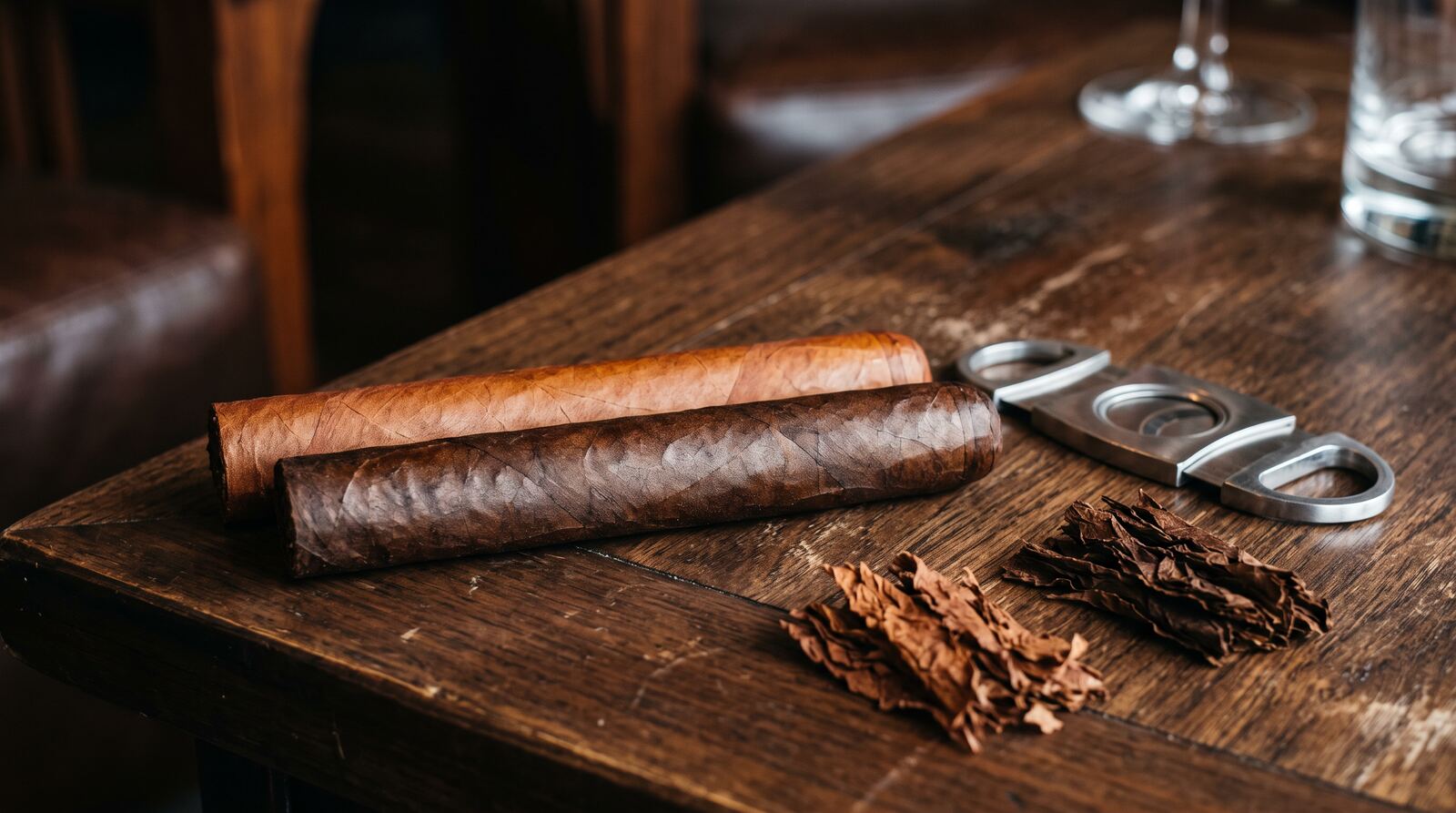
Country Guide
Puerto Rican Cigars: The History of an Island Industry
Puerto Rico had one of the Caribbean's largest cigar industries in the early 1900s, centered on the tobacco towns of Cayey, Caguas and Comerío, before it declined from the 1920s.
Updated · Cigars Caribbean Editorial Team
Read About Jamaican Cigars →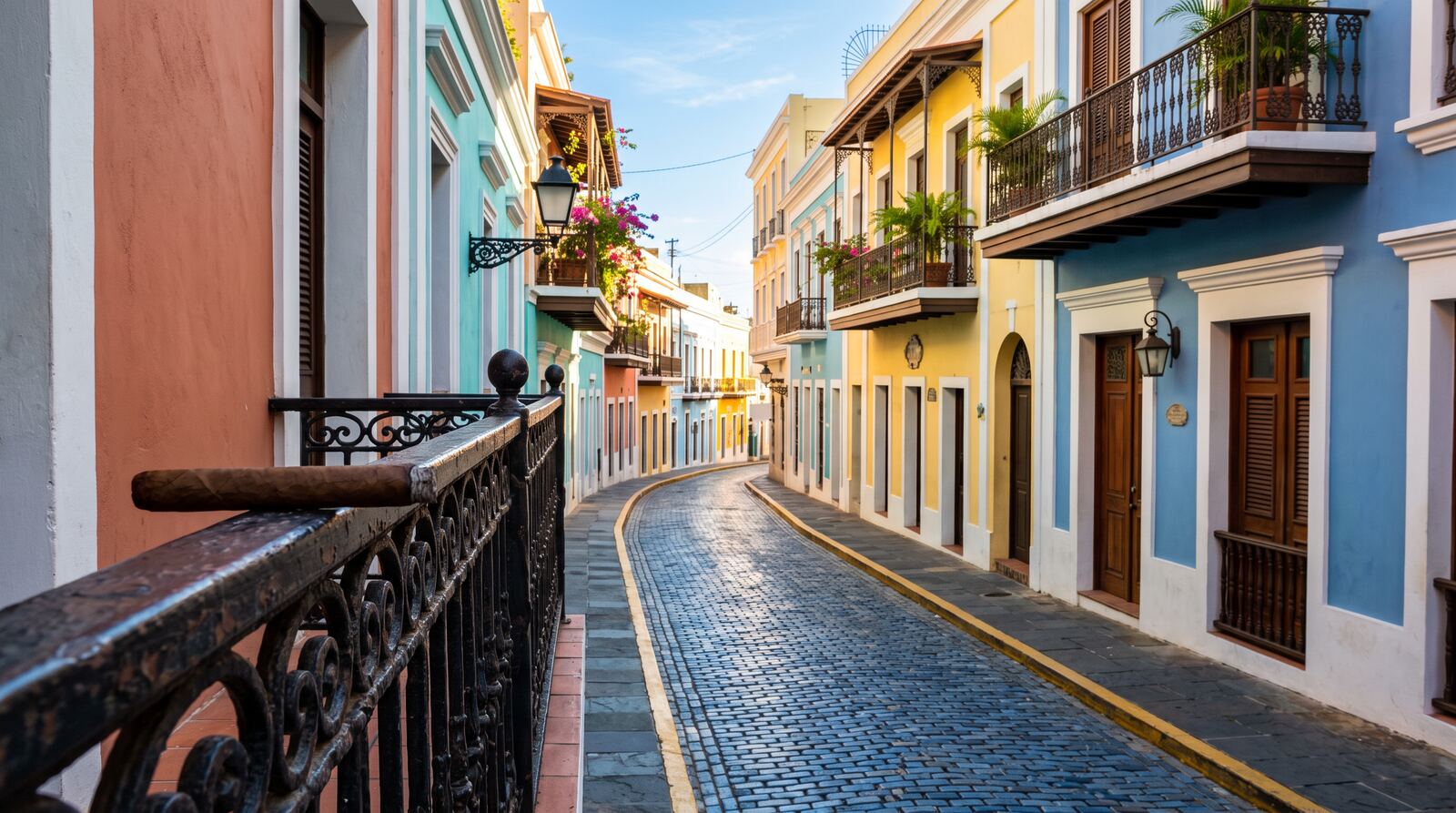
Few cigar smokers today think of Puerto Rican cigars, but a century ago the island was one of America's most important sources. Its central highlands grew fine tobacco, its factories rolled cigars for the U.S. market, and its skilled cigar makers helped build the cigar industry in New York and Florida.
Shop now (affiliate link, 21+): cigar samplers at Famous Smoke Shop.
Puerto Rican Cigar Timeline
| Year | Milestone |
|---|---|
| 1880 | Leaf production reaches about 12 million pounds |
| 1898–1899 | Puerto Rico becomes a U.S. territory; Porto Rican-American Tobacco Co. (PRATCO) founded |
| 1901–1902 | Cigar exports to the U.S. jump from about 26 million to about 74 million |
| 1919 | Export cigar manufacturing peaks |
| 1920s–1930s | Decline as cigarettes and machine-made cigars take over |
| 1939–1940 | PRATCO goes bankrupt and is liquidated |
| 1953 onward | Mainland firms open mostly machine-made and leaf operations |
Quick answer: Puerto Rico was a major cigar producer in the early 1900s, exporting about 74 million cigars to the U.S. by 1902 from factories in Cayey, Caguas, San Juan and other towns. The industry declined from the 1920s as cigarettes rose, and only limited cigar production remains today.
The Tobacco Highlands
Puerto Rico's tobacco grew mainly in the east-central highlands, including the valley between Cayey and Aibonito. Caguas, Cayey and Comerío were centers of farming, stemming and cigar making, and factories also operated in San Juan, Ponce, Mayagüez and Bayamón. In 1918 tobacco was the island's second-largest agricultural product after sugar.
The American Era Boom
After Puerto Rico became a U.S. territory in 1898, its cigars entered the U.S. market without tariffs. The Porto Rican-American Tobacco Company, incorporated in 1899, became the island's largest and longest-lived cigar maker. Exports soared, and Puerto Rican tobacco workers — many highly skilled hand rollers — became known throughout the industry.
Why the Industry Declined
- Cigarettes: U.S. consumers shifted from cigars to cigarettes in the 1920s.
- Machines: cigar-making machines spread after about 1917, replacing hand rollers.
- Economics: it became cheaper to ship leaf to the mainland than to roll cigars on the island.
- Corporate collapse: PRATCO failed in 1939–1940.
Many Puerto Rican cigar makers migrated to New York, where they joined Cuban and Spanish rollers; read our sister site's New York cigar history.
Puerto Rico Today
Commercial cigar production on the island is now small. A machine-made cigar plant in Cayey has long been linked to mainland cigar companies, and a few local artisans and shops in Old San Juan hand-roll cigars for visitors. Because Puerto Rico is part of the U.S., cigars made there are not imports for U.S. customs purposes.
Puerto Rico's Cigar Makers Abroad
As factories closed, many Puerto Rican cigar makers moved to New York and Florida. In New York they joined Cuban and Spanish rollers and were active in the Cigar Makers' International Union, and their community became part of the city's Latino history.
Visiting
Visitors can find cigar shops in Old San Juan and tobacco history in the central mountain towns. You must be 21 to buy tobacco in Puerto Rico under U.S. federal law. Compare Puerto Rico with its neighbors in Caribbean cigar countries.
Where to buy (affiliate link): For a taste of the Caribbean tradition, try a cigar sampler from Famous Smoke Shop. Famous Smoke Shop is a licensed U.S. retailer that requires customers to be 21 or older. If you buy through this link we may earn a commission at no extra cost to you. Affiliate disclosure.
Frequently Asked Questions
Does Puerto Rico make cigars?
Puerto Rico had a major cigar industry in the early 1900s; production today is small, with some machine-made production and local hand-rollers.
Where was tobacco grown in Puerto Rico?
Mainly in the east-central highlands around Cayey, Caguas, Comerío and Aibonito.
How many cigars did Puerto Rico export?
Cigar exports to the U.S. rose from about 26 million in 1901 to about 74 million in 1902.
Why did Puerto Rico's cigar industry decline?
The shift to cigarettes, cigar-making machines, cheaper mainland production and the 1939–1940 collapse of PRATCO.
Can I bring cigars from Puerto Rico to the mainland?
Puerto Rico is part of the U.S., so its cigars are not foreign imports; normal tobacco rules and age limits still apply.