Comparison Guide
Cuban vs. Dominican Cigars: The Real Differences
Cuban cigars are made only from Cuban tobacco and tend to be earthy and complex, while Dominican cigars often blend tobaccos from several countries and are known for smooth, refined profiles.
Updated · Cigars Caribbean Editorial Team
See All Caribbean Countries →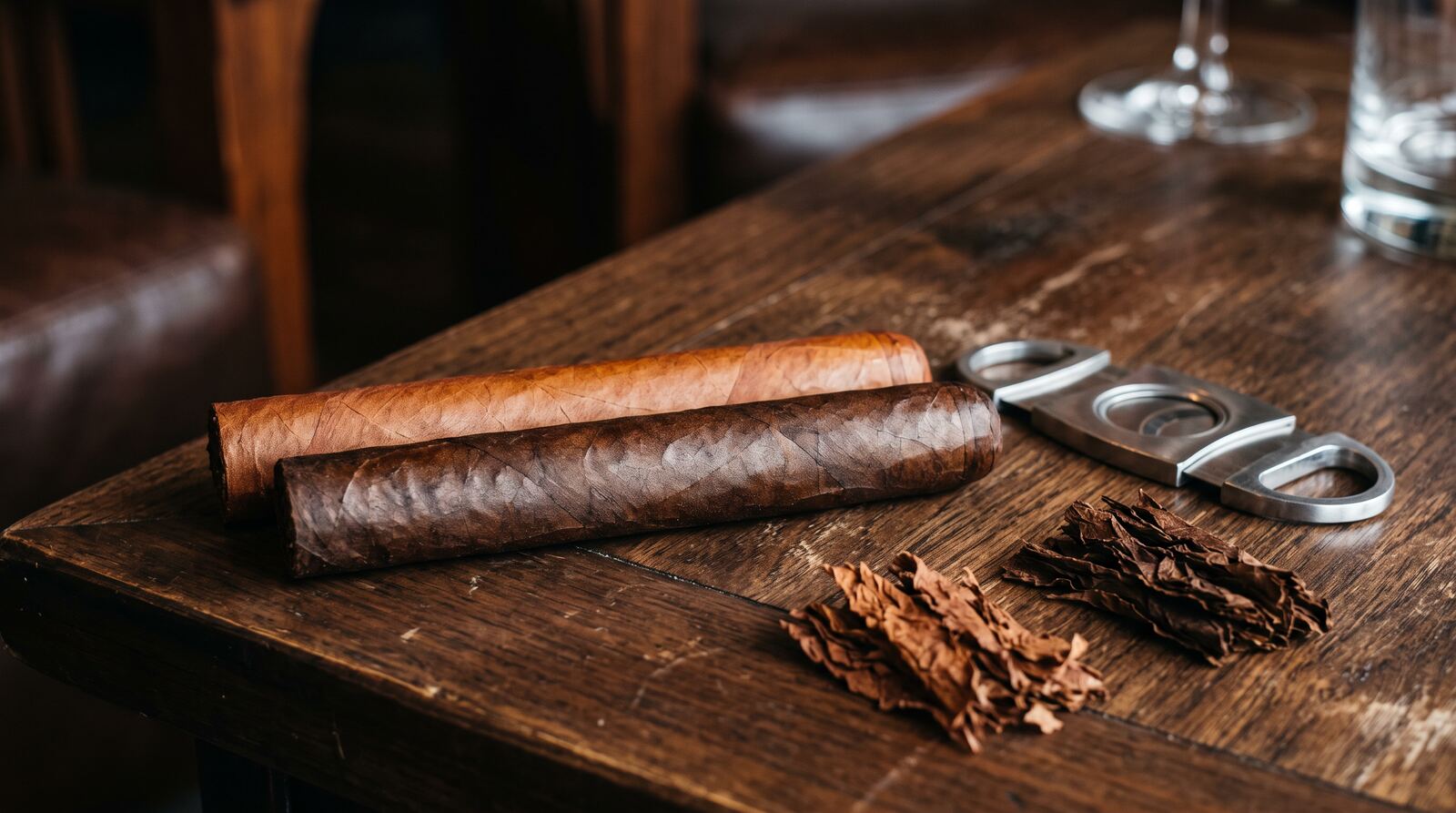
The Cuban vs. Dominican debate is the oldest argument in cigars. Both come from Caribbean islands only a few hundred miles apart, and many Dominican cigar families have Cuban roots. But the two countries now make cigars in very different ways — and only one of them can legally be sold in the United States.
Cuban vs. Dominican Cigars at a Glance
| Cuban cigars | Dominican cigars | |
|---|---|---|
| Tobacco | 100% Cuban leaf ("puros") | Often blended: Dominican filler with wrappers from Ecuador, Connecticut, Cameroon and more |
| Main region | Vuelta Abajo, Pinar del Río | Cibao Valley around Santiago |
| Typical profile | Earthy, spicy, complex; varies by vintage | Smooth, balanced, often creamy; very consistent |
| Who makes them | State-linked industry; brands marketed by Habanos S.A. | Private family firms and multinationals |
| Famous brands | Cohiba, Montecristo, Partagás, Romeo y Julieta, Trinidad | Arturo Fuente, La Aurora, Davidoff, Macanudo, La Flor Dominicana |
| Legal in the U.S.? | No — Cuban-origin tobacco may not be imported | Yes |
Quick answer: Cuban cigars use only Cuban tobacco and are known for earthy complexity; Dominican cigars usually blend Dominican filler with imported wrappers and are prized for smoothness and consistency. Dominican cigars are legal in the U.S.; Cuban cigars are not.
Soil and Seed
Cuba's Vuelta Abajo region in Pinar del Río is famous for its sandy, iron-rich soil and is the source of most top Cuban filler and wrapper. In the Dominican Republic, the Cibao Valley's fertile soil grows filler and binder from Cuban-seed varieties such as Piloto Cubano and native types such as Olor Dominicano. For decades Dominican makers imported most of their wrapper, but some now grow their own; Arturo Fuente's Chateau de la Fuente farm is a famous example. Learn more on our sister site about cigar wrapper types.
Flavor
Generalizations only go so far, but Cuban cigars are often described as earthy, leathery and spicy, with a distinctive "Havana" twang, and their character can vary from year to year. Dominican cigars range widely, from mild Connecticut-wrapped smokes to full-bodied blends, and are often praised for consistent construction and draw.
The Embargo and the Cuban Diaspora
The U.S. embargo on Cuba began in the early 1960s. Many Cuban tobacco families left the island and rebuilt in the Dominican Republic, Honduras, Nicaragua and Florida, bringing seed and know-how. That's why many "New World" cigars carry Cuban brand names that also exist in Cuba — two separate cigars made by different companies under the same name.
Legality for U.S. Buyers
Under current U.S. rules, Cuban-origin cigars cannot be imported into the United States, even by travelers for personal use, and even if bought legally in a third country. Our sister site explains whether Cuban cigars are legal in the U.S. and how to spot fakes.
How to Choose
- In the U.S.: Dominican cigars are the legal choice; start with a mild or medium Dominican blend.
- Abroad: If you try a Cuban cigar where it's legal, buy from authorized shops.
- Compare blends: Read Dominican cigars and Nicaraguan cigars for other options.
Frequently Asked Questions
What is the difference between Cuban and Dominican cigars?
Cuban cigars use only Cuban tobacco and tend to be earthy and complex; Dominican cigars usually blend Dominican filler with imported wrappers and are known for smoothness and consistency.
Are Dominican cigars as good as Cuban cigars?
Many experts rate top Dominican cigars alongside Cuban ones; the best choice depends on taste, and Dominican cigars are legal in the U.S.
Are Cuban cigars legal in the U.S.?
No. Cuban-origin cigars cannot be imported into the United States, even for personal use.
Where is Dominican cigar tobacco grown?
Mainly in the Cibao Valley around Santiago, using Cuban-seed varieties like Piloto Cubano and native Olor Dominicano.
Why do some Dominican cigars have Cuban brand names?
Cuban families who left after the revolution relaunched their brands abroad, so some names exist as separate Cuban and non-Cuban cigars.